Leadership Lessons from a SWAT Negotiator: The 4-Step Framework Every Executive Needs

heroImage

Think your boardroom negotiations are high-stakes?

Think again.

Scott Tillema spent years in situations where the wrong word could cost lives. FBI-trained SWAT hostage negotiator. Harvard Program on Negotiation graduate. Now one of the most sought-after speakers translating life-or-death communication into boardroom gold.

Yesterday’s conversation with Scott didn’t just inspire me: it recalibrated how I think about executive influence entirely.

Here’s what stopped me cold: The same framework that saves lives in hostage situations is exactly what your leadership team is missing in critical business moments.

Your Communication Strategy Is Broken

87% of executives believe they communicate effectively. Yet organizational breakdowns consistently trace back to one source: leaders who mistake talking for communicating.

You’re not broken. You’re at opportunity.

Scott’s four-step negotiation framework isn’t just theory: it’s battlefield-tested strategy where words literally matter between life and death. And it translates directly to the high-stakes decisions crushing your executive team right now.

image_1

The SWAT Framework: When Every Word Counts

Step 1: Understanding

Get clear on what’s really happening before you speak. Influence starts with insight.

Most executives enter negotiations already convinced they understand the situation. They’re wrong.

Scott taught me this: In hostage situations, negotiators spend the first critical minutes not talking: they’re listening. Mapping emotional landscapes. Identifying pressure points. Understanding what’s really driving behavior beneath surface demands.

Executive Translation: Before your next board meeting, spend 10 minutes understanding each stakeholder’s actual position: not what they’re saying, but what they need.

Your CFO pushing back on the AI investment? Surface level: budget concerns. Reality: fear of being replaced by automation.

Your Head of Sales resisting the new CRM? Surface level: process disruption. Reality: loss of control over territory relationships.

Stop negotiating with symptoms. Start addressing root motivations.

Step 2: Timing

When you say something is part of the strategy. Patience creates leverage.

Here’s what blew my mind: Scott explained how hostage negotiators deliberately create silence. Not because they don’t know what to say: because they know exactly when NOT to say it.

Timing isn’t just about perfect moments. It’s about creating them.

In crisis situations, the person who controls timing controls the outcome. Same principle applies when you’re navigating organizational resistance or stakeholder conflicts.

Executive Translation: Your most powerful negotiation tool isn’t your next argument: it’s your strategic pause.

The 48-Hour Rule: For any high-stakes decision generating pushback, introduce a deliberate cooling period. “Let’s table this for 48 hours and reconvene with fresh perspectives.”

This isn’t delay tactics. It’s creating space for emotions to settle and logic to surface.

Step 3: Delivery

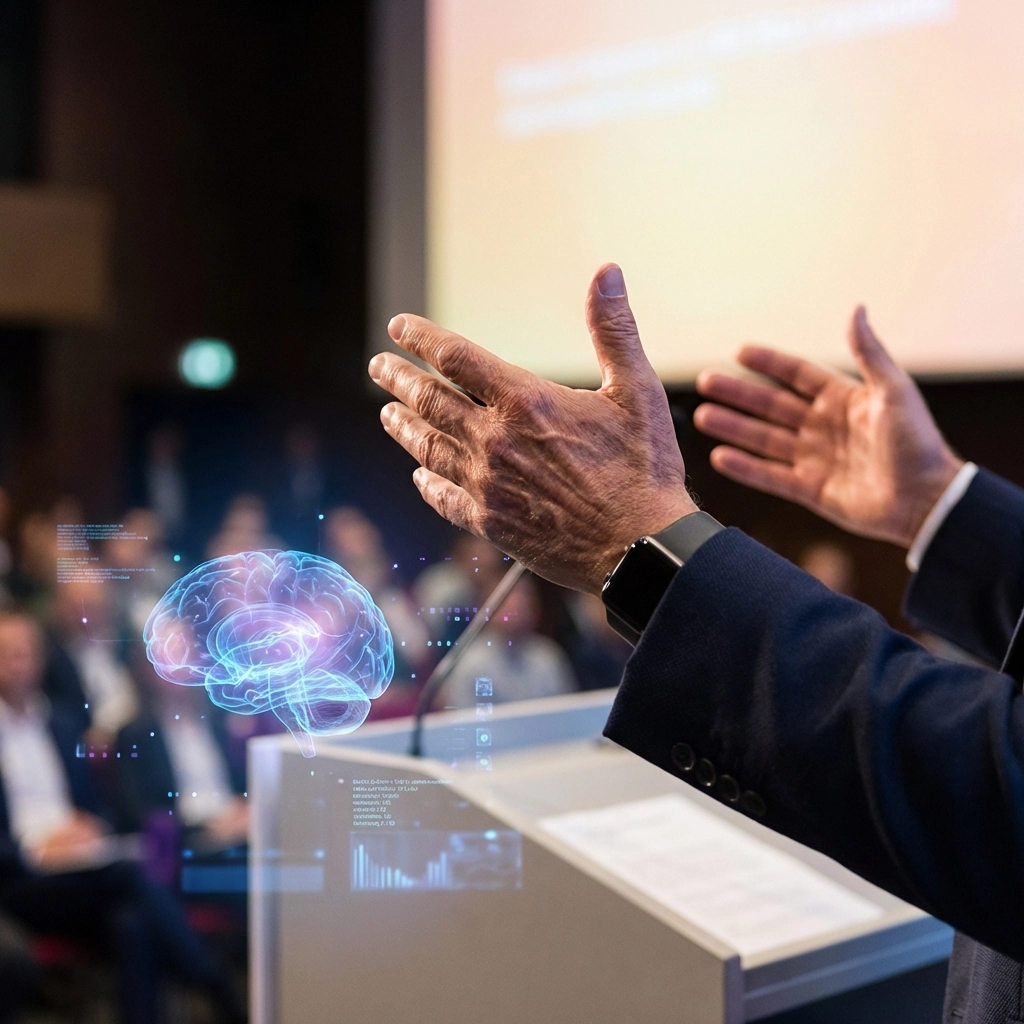
Tone, pace, and presence carry the message. The right words can fail with the wrong delivery.

Scott broke this down brilliantly: In hostage negotiations, HOW you say something can be more critical than WHAT you say.

Think about your last difficult conversation with your leadership team. You had the right strategy, solid data, logical arguments. Yet somehow the message didn’t land.

The breakdown wasn’t in your content: it was in your delivery.

image_2

Executive Translation: Master these three delivery elements:

Tone: Match your emotional energy to the stakes. High-urgency decisions require calm authority, not heightened pressure.

Pace: Slow down 20% from your instinctive speed. Rushed delivery signals panic, even when you’re confident.

Presence: Physical positioning matters. Stand when delivering critical messages. Sit when building consensus.

Real Example: Instead of “We need to cut 15% from Q1 budget immediately”

Try: “I’ve identified an opportunity to optimize our Q1 resources by 15%. Here’s how we maintain momentum while strengthening our position…”

Same message. Completely different reception.

Step 4: Respect

This is the foundation. Without respect, nothing else works.

Here’s Scott’s most powerful insight: Respect isn’t earned through position: it’s demonstrated through behavior.

In hostage situations, negotiators show respect even to individuals committing crimes. Not because they agree with actions, but because respect creates connection. And connection creates influence.

Executive Translation: Your team’s resistance isn’t personal defiance: it’s professional survival instinct.

When your Head of Operations questions your expansion timeline, they’re not challenging your authority. They’re protecting operational integrity.

When your Marketing Director pushes back on budget reallocation, they’re not being difficult. They’re defending strategic investments.

Reframe resistance as professional diligence, not personal challenge.

Where Most Executive Teams Fail

The average executive spends 23% of their time in meetings that could have been resolved through better initial communication.

You’re treating symptoms instead of addressing communication infrastructure.

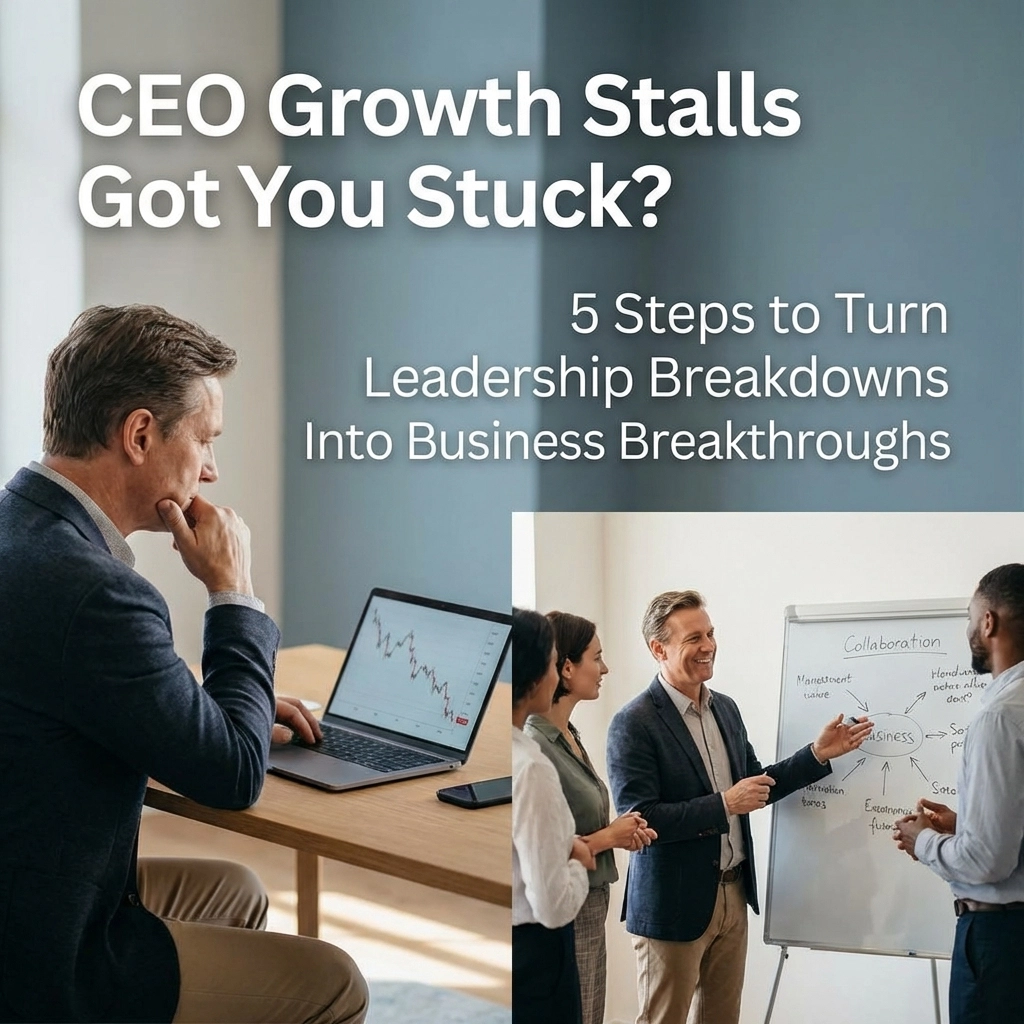
The Real Problem: Your leadership team lacks a shared framework for high-stakes conversations.

Everyone brings different negotiation styles, communication preferences, and conflict approaches. Result? Inconsistent outcomes, prolonged decisions, and frustrated stakeholders.

image_3

The Scott Tillema Effect: Immediate Implementation

Here’s how to deploy this framework starting Monday:

Week 1: Understanding Audit

  • Before every leadership meeting, spend 5 minutes mapping each participant’s actual concerns
  • Ask one clarifying question before presenting solutions
  • Listen 30 seconds longer than feels comfortable

Week 2: Timing Mastery

  • Institute the 48-hour rule for contentious decisions
  • Practice strategic silence in negotiations
  • Schedule difficult conversations for Tuesday-Thursday (optimal decision-making days)

Week 3: Delivery Optimization

  • Record one challenging conversation (with permission)
  • Analyze tone, pace, presence
  • Practice delivering the same message three different ways

Week 4: Respect Integration

  • Reframe every objection as professional input
  • Acknowledge underlying concerns before addressing surface issues
  • Thank team members for raising difficult questions

My 2026 Connection Focus

Scott’s generosity in sharing battlefield-tested strategies reinforced something crucial: The best leaders don’t hoard wisdom: they multiply it.

As I prepare for expanded speaking in 2026, I’m carrying forward Scott’s example. Real connection happens when you open the vault and share what actually works.

That’s exactly what People Risk Consulting does for executive teams every day.

The Bottom Line

Your communication challenges aren’t personality conflicts or organizational culture issues.

They’re systems problems requiring framework solutions.

The same principles that save lives in crisis situations can transform your leadership team’s decision-making, influence, and results.

Scott Tillema proved that yesterday. The question is: Will you implement it today?


Ready to elevate your leadership team’s negotiation, influence, and connection? Connect with People Risk Consulting to explore custom strategies specifically designed for high-stakes executive decision-making. Because when every conversation counts, you need frameworks that work under pressure.

Discover how our executive advisory transforms communication breakdowns into competitive advantages.

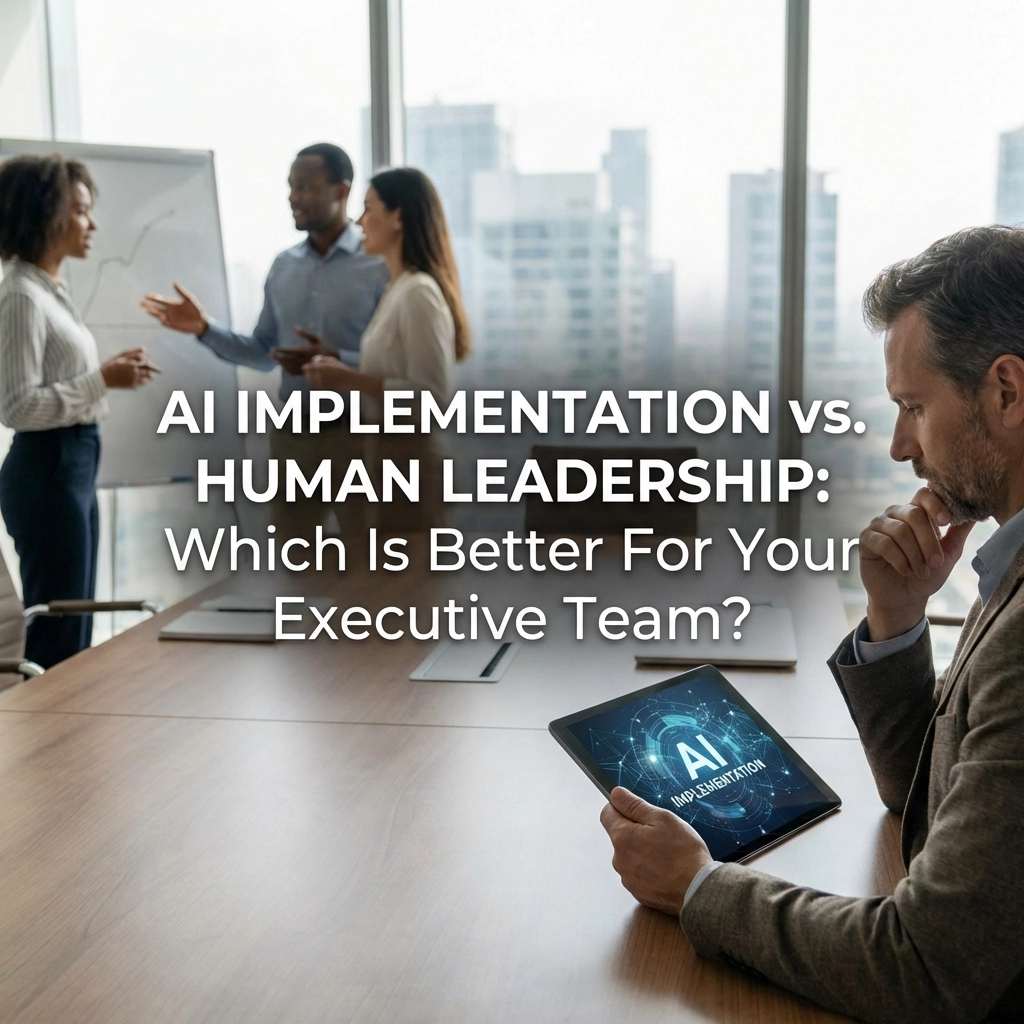
Is Your C-Suite’s Critical Thinking Getting Weaker with AI?

heroImage

Think your executive team is sharper than ever with AI at their fingertips?

Think again.

Recent studies reveal a troubling paradox: As AI adoption accelerates in C-suites, critical thinking capabilities are measurably declining. Professionals who regularly rely on AI for decision support show significant drops in counterfactual reasoning, system-level thinking, value judgment, and contextual adaptation.

You’re not just automating tasks. You’re accidentally automating away the mental muscles that built your executive expertise in the first place.

The Expertise Vacuum No One Saw Coming

Here’s what’s happening in your organization right now:

Traditional pathway: Junior analysts spend years doing repetitive financial modeling → They develop deep pattern recognition → They eventually understand complex market dynamics → They become strategic leaders

New AI pathway: AI handles the modeling → Junior analysts never develop foundational thinking → Expertise vacuum emerges → Your leadership pipeline empties

This isn’t theoretical. Research from Fortune reveals that AI is eliminating the foundational tasks that historically developed senior-level strategic expertise. The very work that seemed “grunt level” was actually building the cognitive frameworks your future leaders need.

→ Less grunt work = Less cognitive development
→ Faster outputs = Weaker analytical muscles
→ Higher efficiency = Lower executive readiness

The Overconfidence Trap

Survey data from 1,540 board members and C-suite executives exposes a dangerous confidence gap:

82% of leaders believe strong AI understanding will be mandatory for future executives
Only 41% feel personally confident in their own AI expertise
• CEOs show higher AI optimism than their own CHROs and middle management

This disconnect is creating what People Risk Consulting identifies as “executive blind spots at scale.” Leaders are making high-stakes decisions with tools they don’t fully understand, backed by confidence that outpaces their actual competence.

The result? Strategic errors that compound exponentially because they’re wrapped in the authority of AI-generated insights.

image_1

Your Critical Thinking Audit: 5 Warning Signs

Run this diagnostic on your executive team. Are they exhibiting these AI-induced thinking gaps?

1. Verification Amnesia

  • Do they ask “How did we arrive at this conclusion?” anymore?
  • Or do they accept AI outputs as gospel because “the data says…”

2. Debate Decline

  • Are strategic meetings shorter because AI provides “definitive” answers?
  • When did your team last have a heated argument about market assumptions?

3. Scenario Starvation

  • Do they explore alternative outcomes or just optimize the AI-suggested path?
  • Are contingency plans becoming extinct?

4. Context Collapse

  • Are decisions made in isolation from broader market dynamics?
  • Do they consider industry nuances or just algorithmic recommendations?

5. Speed Over Scrutiny

  • Has “efficiency” become more valued than “accuracy”?
  • Are you celebrating how fast decisions happen instead of how good they are?

If you recognized 3 or more warning signs, your executive thinking is already compromised.

The Strategic Countermove: Intentional Cognitive Preservation

Smart leaders aren’t abandoning AI. They’re using it strategically while protecting their teams’ analytical capabilities.

Framework 1: The Verification Protocol

Before AI Analysis:

  • Define what outcome you’re expecting
  • List 3 alternative scenarios you’ll consider
  • Identify which assumptions could break the model

During AI Analysis:

  • Question the data sources and methodology
  • Test the recommendations against your industry experience
  • Challenge the AI to justify its reasoning

After AI Analysis:

  • Debate the findings as if they came from a junior analyst
  • Explore what the AI might have missed
  • Develop contingency plans for different scenarios
image_2

Framework 2: Critical Thinking Preservation Exercises

Weekly Executive Practices:

  1. Red Team Fridays: Assign someone to argue against the AI recommendations
  2. Assumption Mapping: List every assumption behind AI-driven strategies
  3. Historical Pattern Matching: Compare AI insights to past industry cycles
  4. Worst-Case Scenario Planning: What happens if the AI is wrong?
  5. Cross-Industry Perspective Taking: How would a leader in a different sector approach this?

Framework 3: The Human-AI Partnership Model

AI Handles: Data processing, pattern identification, scenario modeling
Humans Handle: Strategic interpretation, stakeholder dynamics, ethical considerations, long-term vision

The key is intentional division of cognitive labor, not cognitive abdication.

What Your Competition Isn’t Telling You

While other consulting firms are selling you on AI efficiency, People Risk Consulting is addressing the hidden risk: the erosion of executive judgment that creates your most dangerous blind spots.

Our clients are discovering that the organizations winning long-term aren’t just AI-enabled: they’re AI-resilient. They’re building executive teams that leverage artificial intelligence without losing human intelligence.

Case Study Snapshot: A Fortune 500 CEO we worked with realized her team was making strategic decisions 60% faster with AI: but their market predictions were becoming 40% less accurate. Through our Critical Thinking Preservation Protocol, they maintained AI efficiency while improving decision quality by 25%.

The Leadership Imperative: Act Now or Fall Behind

The companies that thrive in the AI era won’t be the ones with the most sophisticated algorithms. They’ll be the ones with executives who can think independently, debate rigorously, and make nuanced decisions that algorithms can’t replicate.

This isn’t about being anti-AI. It’s about being pro-human where it matters most: strategic leadership.

Your next 30 days matter. The longer your team operates in AI-assisted decision-making without intentional critical thinking development, the deeper the cognitive atrophy becomes.

Ready to Strengthen Your Executive Decision-Making?

Don’t let AI efficiency cost you executive effectiveness. People Risk Consulting specializes in helping C-suite leaders navigate the balance between AI acceleration and cognitive preservation.

Our Custom AI Leadership Strategies include:

  • Executive Critical Thinking Audits
  • Human-AI Partnership Frameworks
  • Decision Quality Improvement Protocols
  • Leadership Pipeline Risk Assessment

The organizations that master this balance will dominate their markets. The ones that don’t will be led by executives who can’t think independently when it matters most.

Connect with People Risk Consulting today. Let’s explore custom strategies for mitigating AI-related leadership risks while strengthening decision-making capabilities across your executive team.

Your competitive advantage isn’t just having AI. It’s having leaders who can outsmart it.

From Bleach to Brands: What Every CEO Can Learn from Clorox’s Bold Business Evolution

heroImage

You think you know transformation stories. Think again.

Most CEOs love pointing to tech disruptors as transformation models. Amazon. Netflix. Tesla. But here’s what they’re missing: The most instructive transformation story happened with a 110-year-old bleach company.

The Clorox Company didn’t just pivot. They systematically dismantled and rebuilt their entire business model. Multiple times. And they did it while managing the exact people risks that are paralyzing your leadership team right now.

You’re not broken if your business feels stuck in one lane. You’re at opportunity.

image_1

The Uncomfortable Truth About “Staying in Your Lane”

Clorox started in 1913 making one thing: liquid bleach. For 56 years, that’s all they did. One product. One market. One revenue stream.

Sound familiar?

By 1969, they were facing extinction. Enzyme laundry products were threatening their core business. Their options were simple: evolve or die.

Here’s what most CEOs get wrong about this moment → They think transformation means abandoning your core. Clorox proved the opposite.

The breakthrough insight: True transformation amplifies your core strengths into adjacent opportunities.

Strategic Lesson #1: Diversification Timing Is Everything

Most leaders diversify too early or too late. Clorox’s timing reveals the critical windows:

Early Diversification (Pre-Crisis):

  • Spreads resources too thin
  • Confuses market positioning
  • Creates internal competition for talent

Crisis Diversification (During Threat):

  • Forces rushed decisions
  • Compromises due diligence
  • Increases people risk exponentially

Clorox’s Approach (Post-Independence Strategy):

  • Waited for market validation of core strength
  • Built from position of financial stability
  • Leveraged existing distribution relationships

The result? After 1969, they rapidly acquired Liquid-Plumr, Formula 409, Hidden Valley Ranch, and Kingsford charcoal. Each acquisition leveraged their household products expertise while expanding their market footprint.

Your next move: Audit your core business strength. Are you diversifying from confidence or desperation? The answer determines your success rate.

Strategic Lesson #2: The Divestiture Discipline

Here’s where most transformation stories get sanitized. They focus on what companies bought, not what they sold.

Clorox’s portfolio today looks nothing like their acquisition spree of the 70s and 80s. They’ve systematically divested:

  • Automotive care brands (Armor All, STP)
  • Better Health vitamins and supplements business
  • Duraflame firelogs
  • KC Masterpiece (historically)

This isn’t failure. This is strategic focus.

Every divestiture sent a clear message to their people: We know what we’re good at, and we’re not afraid to admit what we’re not.

image_2

The People Risk Framework Hidden in Every Portfolio Decision

Most CEOs miss this completely. Every business transformation creates three critical people risks:

1. Identity Crisis Risk
When you change what you do, your people question who they are. Clorox navigated this by maintaining their core “household solutions” identity while expanding the definition.

2. Competency Gap Risk
New businesses require new skills. Clorox’s strategy: acquire talent with the business, then cross-pollinate expertise across divisions.

3. Cultural Integration Risk
Different businesses have different cultures. Clorox’s approach: strong central values with business-specific execution flexibility.

The framework that works:
→ Define your non-negotiable cultural core
→ Map competency gaps before acquisition
→ Create cross-functional rotation programs
→ Measure integration success by employee retention, not just financial metrics

Innovation Beyond Product: The Hidden Transformation Multiplier

Every CEO talks about product innovation. Clorox’s real transformation happened in three other areas:

Packaging Innovation:

  • Early adoption of plastic bottles for bleach
  • Recyclable materials integration
  • Sustainability-focused packaging design

Process Innovation:

  • R&D formalization in the 1970s
  • AI and data tools for product development
  • Consumer insights acceleration

Business Model Innovation:

  • Joint ventures (Glad with P&G)
  • Direct-to-consumer channels
  • Subscription and bulk professional services

The insight: Product innovation gets the headlines. Process innovation creates the competitive moats.

Your diagnostic question: What percentage of your innovation budget goes to non-product innovation? If it’s under 30%, you’re missing transformation opportunities.

image_3

The Acquisition Integration Playbook That Actually Works

Clorox didn’t just buy brands. They bought market access, consumer relationships, and operational capabilities. Here’s their pattern:

Phase 1: Strategic Adjacency

  • Target brands that serve similar customers through different channels
  • Prioritize brands with strong consumer loyalty
  • Focus on products that leverage existing distribution

Phase 2: Operational Integration

  • Maintain brand independence while integrating backend operations
  • Cross-train teams on multiple product lines
  • Standardize quality and safety protocols

Phase 3: Innovation Cross-Pollination

  • Apply core competencies to new product lines
  • Use new brand insights to improve core products
  • Create innovation labs that span multiple brands

The People Risk Mitigation: Retain acquired team leadership for 24+ months. Create integration success metrics that include cultural indicators, not just financial ones.

Sustainability as Competitive Advantage (Not Just PR)

Clorox’s sustainability commitments aren’t window dressing:

  • Targets on recyclable packaging
  • Reduced virgin plastic usage
  • Circularity efforts across product lines
  • Green Works natural cleaners line

Why this matters for your transformation: Sustainability initiatives force operational innovation. They create employee engagement opportunities. They attract top talent who want purpose-driven work.

The strategic insight: Sustainability constraints spark breakthrough innovation. Use them as creativity catalysts, not compliance burdens.

The Leadership Mindset That Enables Continuous Transformation

Clorox’s century-plus evolution reveals three leadership mindsets that separate transformational CEOs from stagnant ones:

1. Portfolio Thinking Over Product Thinking

  • View your business as a portfolio of customer relationships, not product lines
  • Optimize for customer lifetime value across multiple touchpoints
  • Build capabilities that serve multiple product categories

2. Optionality Over Optimization

  • Maintain flexibility to enter adjacent markets quickly
  • Build acquisition capabilities as core competencies
  • Create innovation pipelines that can serve multiple business units

3. Truth-Telling Over Storytelling

  • Acknowledge what you’re not good at publicly
  • Divest from positions of strength, not weakness
  • Use market feedback to guide portfolio decisions
image_4

The Bottom Line for Your Business

Clorox’s transformation from single-product bleach manufacturer to diversified household brands company took 110 years. But the lessons can accelerate your timeline:

Immediate Actions (Next 90 Days):

  • Audit your core business for adjacent market opportunities
  • Map your people risks for any planned portfolio changes
  • Assess innovation allocation across product, process, and business model categories

Strategic Planning (Next 12 Months):

  • Develop acquisition criteria based on customer overlap, not just financial metrics
  • Create integration playbooks that prioritize culture alongside operations
  • Build sustainability constraints into innovation challenges

Long-term Positioning (2-5 Years):

  • Establish optionality in 2-3 adjacent markets
  • Develop portfolio management capabilities as competitive advantages
  • Create leadership development programs that span multiple business units

Your transformation isn’t about becoming someone else. It’s about becoming the fullest expression of who you already are.

The companies that survive the next decade won’t be the ones that pivot fastest. They’ll be the ones that amplify their core strengths into adjacent opportunities while managing the people risks that destroy value during change.

Clorox didn’t abandon bleach. They became the household solutions company that happened to start with bleach.

What could your company become if you stopped limiting yourself to your founding product?


Ready to map your transformation strategy and identify the people risks that could derail your growth? Our executive cohorts give you the frameworks and peer insights to navigate complex portfolio decisions. Limited seats available for Q1 2026.

Why Psychological Safety Compliance Will Make or Break Your Company in 2026 (And You Should Too)

heroImage

Happy New Year! Ready for the first truth bomb from People Risk Consulting? Bombs away!

Think psychological safety is still a “soft skill” you can delegate to HR?

Think again.

While you’ve been focused on traditional compliance checkboxes, your competitors are building psychological safety infrastructures that will eat your lunch in 2026.

Here’s the real talk: Workplace safety regulations have evolved beyond hard hats and fire exits. Psychological safety is becoming an operational compliance requirement. Not because some consultant said so. Because 48 million employee sentiment responses just revealed the hidden crisis destroying your competitive advantage.

The Compliance Shift You Didn’t See Coming

You’ve mastered financial compliance. Environmental compliance. Data privacy compliance.

But psychological safety compliance? That’s the blind spot that’s about to cost you everything.

The breakdown: Organizations achieved a 25% reduction in unhealthy accountability behaviors while simultaneously experiencing significant declines in psychological safety, collaboration, and interpersonal dynamics. You fixed the obvious problems. You missed the foundational ones.

→ Surface-level accountability fixes = Deeper trust erosion
→ Traditional compliance focus = Psychological safety neglect
→ 2025 band-aids = 2026 competitive disadvantage

What Psychological Safety Compliance Actually Means

Forget the touchy-feely definitions. Here’s the CEO translation:

Psychological safety is your organization’s shared belief that people can ask questions, take risks, express opinions, and admit errors without career-limiting consequences.

When it’s absent, your people become expensive “yes men” who:

  • Withhold critical mistakes until they become crises
  • Stop proposing innovative solutions
  • Avoid giving you the candid feedback that could save your business
  • Leave for competitors who don’t punish honesty

The business impact? Direct correlation to revenue, profitability, productivity, and retention. Especially among your highest performers and underrepresented talent you can’t afford to lose.

image_1

The 2026 Reality Check

Three forces are converging to make psychological safety compliance non-negotiable:

1. AI Integration Anxiety

Your AI transformation is creating unprecedented workplace stress. Employees are terrified of being replaced, making mistakes with new tools, or admitting they don’t understand the technology you’re implementing. Without psychological safety protocols, your AI adoption becomes a retention disaster.

2. Accelerated Performance Demands

High-performance environments: healthcare companies navigating industry shifts, private equity-backed organizations scaling rapidly: are discovering that psychological safety isn’t optional. It’s the foundation that prevents burnout-induced exits and performance breakdowns.

3. Competitive Talent Wars

Your competitors aren’t just offering better compensation. They’re offering better psychological safety experiences. The organizations that crack this code first will monopolize top talent.

The Three Pillars of Psychological Safety Compliance

Stop treating this like a workshop topic. Start building it like infrastructure.

Pillar 1: Consistent Standards Architecture

The Problem: Favoritism and inconsistent application of standards destroy psychological safety faster than any toxic manager.

The Solution: Create transparent, consistently applied standards that eliminate the guesswork. When people know exactly what’s expected and see those expectations applied fairly across all levels, they feel safe to engage authentically.

Your Action: Audit your current standards for consistency gaps. Where are the unwritten rules? Where do different teams operate under different assumptions? Fix these first.

Pillar 2: Leader Humility Infrastructure

The Problem: Leaders who can’t admit limitations or mistakes create cultures where everyone else hides their own.

The Solution: Systematize vulnerability. Not fake vulnerability. Strategic transparency about limitations, learning edges, and decision-making processes.

Your Action: Model the behavior you want to see. When you make a mistake, own it publicly. When you don’t know something, say so. When you change your mind based on new information, celebrate that adaptation.

Pillar 3: Two-Way Transparency Systems

The Problem: One-way communication creates psychological safety deserts.

The Solution: Build formal mechanisms for upward feedback that protect the feedback-giver and require leadership response.

Your Action: Implement regular “failure parties” where teams share what didn’t work without punishment. Create anonymous feedback systems with guaranteed response timelines. Track and measure psychological safety like any other KPI.

The Compliance Framework That Actually Works

Here’s the methodology People Risk Consulting uses to build psychological safety compliance that sticks:

Phase 1: Baseline Assessment
Measure current psychological safety levels across teams. Identify the specific behaviors, policies, and leadership patterns that undermine or support it.

Phase 2: Infrastructure Design
Build the three pillars into your operational systems. This isn’t a training program. It’s an organizational redesign.

Phase 3: Manager Capability Development
Since psychological safety is heavily influenced by direct supervisors, equip your managers with specific tools and frameworks for creating safe team environments.

Phase 4: Continuous Monitoring
Track psychological safety metrics like turnover predictors, innovation rates, mistake reporting frequency, and upward feedback quality.

image_2

The Questions That Reveal Everything

Ask yourself these diagnostic questions:

  • When was the last time someone brought you bad news early enough to fix it?
  • How many innovative ideas have your teams proposed in the last quarter?
  • Do your people ask questions in meetings, or just nod along?
  • When someone makes a mistake, do they hide it or share it?
  • Are your highest performers staying or leaving?

If you don’t like your answers, you don’t have a psychological safety compliance problem.

You have a competitive disadvantage that’s about to get worse.

Your 2026 Psychological Safety Advantage

Organizations that build psychological safety compliance infrastructure will dominate 2026. Not because it’s nice. Because it’s necessary.

The opportunity: While your competitors scramble to fix their retention crises and AI adoption failures, you’ll have the psychological safety foundation that makes both sustainable.

The urgency: This window won’t stay open. The organizations building these capabilities now will have insurmountable advantages by 2026.

The choice: Continue treating psychological safety as a soft skill side project, or start building it as the compliance infrastructure that future-proofs your competitive position.

The companies that understand this shift aren’t just creating better workplaces. They’re creating unfair advantages.

Want to explore how People Risk Consulting can help you build psychological safety compliance that actually works? Learn more about our executive masterclass approach designed specifically for leaders ready to turn this challenge into competitive advantage.

The question isn’t whether psychological safety compliance is coming to your industry.

The question is whether you’ll build it before your competition does.

The Power of P.I.E.: A Conversation with Inventor Derek Gable and the Joy of Human Connection

Most CEOs think innovation happens in boardrooms.

Think again.

I had the absolute joy of a conversation with Derek Gable, an inventor with multiple patents who worked alongside the Handlers at Mattel. And what I discovered will challenge everything you think you know about creating breakthrough culture in your organization.

When Real Innovation Meets Real Humanity

Here’s what stopped me cold: Derek didn’t want to talk about his 60+ patents. He didn’t lead with his 16 years at Mattel creating Masters of the Universe, Barbie items, and Hot Wheels. He didn’t even mention being described as “human WD40” for his ability to help organizations become unstuck and more productive.

He wanted to talk about P.I.E.

Not Product-Innovation-Execution. Not Performance-Impact-Excellence.

Positive Interactive Energy.

image_1

And honestly? In a world obsessed with digital transformation and AI efficiency, this landed like a revelation.

Everyone loves P.I.E. And the best part is you don’t need permission, money, or a title to share it. You just pass it forward.

The Uncomfortable Truth About Energy Leadership

I love talking with people who don’t just think about innovation, but live it. Especially the kind of innovators who make things you can hold, play with, and remember. Derek has spent over 55 years creating tangible magic, from toys that spark imagination to security systems that protect families.

But here’s what most leaders miss: The same principles that create memorable products create memorable cultures.

Derek’s approach isn’t theoretical. For over a decade, he’s been a guest speaker in junior high and high schools, presenting to thousands of students. He leads classes titled “I have this great idea but don’t know what to do with it,” mentoring aspiring inventors through the complete development process.

→ Real innovation requires real human connection.
→ Real connection requires intentional positive energy.
→ Real energy requires leaders who choose to be fully present.

In a world that feels more isolated, more negative, and more disconnected by the day, this philosophy stopped me in my tracks. Especially knowing how many executive teams are quietly struggling right now.

The P.I.E. Framework That’s Changing Everything

P.I.E. is simple. Disarmingly so. And maybe that’s why it works.

Here’s Derek’s framework for creating Positive Interactive Energy:

Smile. Your face is a door. Is it open or closed?

Most executives underestimate the power of their physical presence. Your facial expression sets the tone for every interaction, every meeting, every difficult conversation. When Derek worked with high school entrepreneurs through the Chamber of Commerce program, two participants reached National finals, placing fourth and third in consecutive years. Why? Because he taught them that confidence starts with how you show up physically.

Choose happiness. It really is a choice.

This isn’t toxic positivity. This is strategic emotional leadership. Derek describes himself as someone who helps organizations become “unstuck.” But you can’t unstick others if you’re stuck in reactive leadership patterns yourself.

Remember you are human, not a robot. Technology should serve you, not replace real connection.

Derek’s 16-year tenure at Mattel taught him something crucial: the most successful products weren’t just well-engineered. They created emotional connections. The same principle applies to leadership. Your team doesn’t need another perfectly optimized process. They need a leader who remembers they’re leading humans.

image_2

Practice gratitude aggressively. Say please. Say thank you. Say it often.

Notice the word “aggressively.” This isn’t passive appreciation. This is intentional, strategic recognition that transforms team dynamics. Derek has mentored countless inventors, and the ones who succeed aren’t just technically skilled, they’re gracious collaborators.

Talk to people you don’t know. A simple “Hi, how are you today?” matters.

When’s the last time you had an unscheduled conversation with someone three levels down from you? Derek’s success as an inventor came partly from his ability to connect with diverse perspectives. Innovation happens at the intersection of different viewpoints.

Go out of your way to be helpful. Small acts count.

Leadership isn’t just about big strategic decisions. It’s about the accumulation of small, helpful interactions that build trust and psychological safety over time.

Be nice, not grumpy.

This seems obvious, but watch any executive team during a crisis. Stress reveals character. The leaders who maintain positive energy during difficult seasons are the ones who inspire breakthrough performance.

Stop focusing on people’s warts. We all have them. Look for the beauty instead.

This is where most performance management systems fail. They’re designed to identify and correct weaknesses rather than amplify strengths. Derek’s approach flips this: find what’s working and build from there.

Why This Matters More Than Your Strategic Plan

What I love most about Derek’s philosophy is that it feels like play. Like something a toy maker would understand deeply. Joy is designed. Connection is designed. Energy is designed.

And here’s the leadership truth most CEOs miss: Your company culture is being designed whether you’re intentional about it or not.

Every interaction. Every meeting. Every email. Every hallway conversation.

You’re either designing positive interactive energy or you’re defaulting to whatever emerges naturally, which is usually stress, politics, and emotional disconnection.

image_3

Derek’s work at Mattel aligned with Fisher-Price’s “Purposeful Play” philosophy and the Play-Inspire-Educate approach. The same principles that create toys children love for decades can create workplace cultures people remember as career-defining.

The Real ROI of P.I.E. Leadership

Think P.I.E. is too soft for serious business results?

Consider this: Derek didn’t just create products. He created experiences that generated billions in revenue for Mattel. His real estate security innovations have “shaped the security of the real estate industry” according to industry experts. His teaching and mentoring have launched dozens of successful inventors.

The common thread? Positive Interactive Energy that builds trust, sparks creativity, and sustains momentum.

Here’s what happens when leaders embrace P.I.E. principles:

• Feedback becomes honest instead of filtered
• Focus stays sharp because people feel energized, not drained
• Delegation works because trust levels are high
• Innovation accelerates because psychological safety is real
• Retention improves because people actually enjoy coming to work

Your P.I.E. Implementation Strategy

This season, I’m choosing to share more P.I.E. With my clients. With strangers. And yes, with myself. So I created a scorecard of sorts, call it P.I.E. metrics, to support Derek Gable’s method.

Here’s how you start:

Week 1: The Face Check
Literally ask your assistant or a trusted team member: “How do I show up in meetings? What does my face communicate before I even speak?” Get honest feedback. Adjust accordingly.

Week 2: The Gratitude Audit
Track how often you say “please” and “thank you” in a typical day. Most executives are shocked by how rarely these words appear in their leadership vocabulary.

Week 3: The Connection Challenge
Have three unscheduled conversations with people you don’t normally interact with. Ask genuine questions. Listen to their answers.

Week 4: The Energy Assessment
At the end of each day, ask yourself: “Did I add positive energy to my organization today, or did I drain it?” Be honest about the answer.

image_4

The Choice That Changes Everything

Derek Gable has spent over five decades proving that innovation and humanity aren’t opposing forces. They’re complementary strengths that, when combined intentionally, create breakthrough results.

The market isn’t waiting for leaders to feel ready or caught up. And control disguised as leadership is one of the fastest ways to trade momentum for false stability.

But P.I.E. offers a different path. One where you lead with positive energy. Where you create connections that fuel innovation. Where you design culture rather than defaulting to whatever emerges.

Join in if you want. Elevate someone. Feel the difference. And pass it forward.

Your organization’s next breakthrough might not come from your next strategic initiative. It might come from your next human interaction.

The question is: What kind of energy are you designing?


Ready to transform your leadership approach and create breakthrough culture in your organization? People Risk Consulting’s executive programs help leaders implement systematic approaches to positive energy leadership. Learn more about our masterclass and join other executives who are choosing connection over control.

Breakthroughs Happen When You Play Your Hand Well: Not When the Cards Change

heroImage

Think you’re stuck because your circumstances suck?

Think again.

You’re convinced the problem is your market conditions. Your team’s skill gaps. The economic uncertainty. The timing that’s never quite right.

Here’s the uncomfortable truth: You’re waiting for a reshuffling that’s never coming.

The breakthrough you’re chasing? It’s not hiding behind better cards. It’s waiting for you to play your current hand like the strategist you claim to be.

The Expensive Myth of “When Things Get Better”

75% of executives delay critical decisions waiting for “optimal conditions.”

You know this pattern. You’ve lived it.

“When we get more budget…”
“When the market stabilizes…”
“When we hire that perfect VP…”
“When the timing improves…”

This is HAVE → DO → BE thinking. And it’s keeping you small.

Here’s what actually happens when you wait for better cards:

→ Competitors play their mediocre hands aggressively while you hesitate
→ Windows of opportunity close while you’re calculating perfect timing
→ Your team learns that bold moves require perfect conditions
→ You train yourself to be reactive instead of generative

The reshuffling never comes. The deck stays the same. Your breakthrough stays theoretical.

image_1

The Real Game: BE → DO → HAVE

The research is clear on this. Breakthrough leaders don’t wait for external conditions to change. They transform who they’re being first.

You can’t quickly 10X your resources. You can’t instantly 10X your market position. But you absolutely can 10X how you choose to show up.

This means:

• Expanding your vision while your budget stays flat
• Thinking bigger while your team stays the same size
• Acting with more courage while the risks remain high
• Focusing deeper while the distractions multiply
• Leading with more authenticity while the pressure increases

When you shift these internal dimensions first, the quality of everything you do changes. And that’s when different results show up.

How to Play Your Current Hand Like a Pro

Stop looking at your constraints as problems. Start seeing them as your competitive advantage.

The Strategic Plays:

1. Name Your Real Cards

Not the cards you wish you had. The actual hand you’re holding right now.

Limited budget? That forces creative resource allocation.
Inexperienced team? That creates hunger and coachability.
Uncertain market? That eliminates complacent competitors.
Tight timeline? That prevents overthinking and analysis paralysis.

2. Find the Hidden Advantage

Every constraint contains leverage. You’re just not looking hard enough.

Ask yourself:

  • What does this limitation force me to get better at?
  • How does this constraint eliminate my weakest options?
  • What advantage do I have because others are avoiding this challenge?
  • How can I turn this weakness into my signature strength?

3. Play Offensively, Not Defensively

Most leaders play their difficult hands defensively. They minimize. They hedge. They wait.

Breakthrough leaders do the opposite. They lean in. They amplify. They commit fully to the hand they’ve been dealt.

image_2

The Breakthrough Moment

Here’s when everything shifts: When you stop trying to change your circumstances and start maximizing your circumstances.

Real example: A CEO came to People Risk Consulting convinced her company was stalled because of limited capital for expansion. She was waiting for the “right funding round” to scale.

Instead, we helped her see the constraint differently. Limited capital forced operational excellence. It eliminated waste. It created scrappy, resourceful thinking across her team.

She stopped waiting for more money and started playing her bootstrapped hand strategically. Within six months, her efficiency gains attracted investors who specifically valued her capital discipline.

The breakthrough came from playing better, not waiting for different cards.

The People Risk Consulting Difference

We don’t help executives get better cards. We help them become better players.

Our framework:

Assess Your Hand → What’s actually true about your current situation?
Identify Hidden Leverage → Where are your constraints creating advantages?
Design Strategic Plays → How do you maximize what you have now?
Execute with Confidence → How do you commit fully to your chosen strategy?

This isn’t positive thinking. This is strategic thinking.

Your Next Move

You have two choices right now.

Choice 1: Keep waiting for circumstances to improve. Keep hoping for a reshuffling. Keep playing small until conditions get easier.

Choice 2: Accept that this is your hand. Commit to playing it brilliantly. Find the leverage hiding in your constraints.

The leaders breaking through right now? They’re not the ones with the best cards. They’re the ones playing their current hand with the most strategic intention.

image_3

The Questions That Change Everything

Stop asking:

  • “When will conditions improve?”
  • “What do I need to acquire first?”
  • “How can I wait this out?”

Start asking:

  • “How do I maximize what I have right now?”
  • “What advantage is hiding in this constraint?”
  • “Who do I need to become to play this hand brilliantly?”

The Truth About Breakthroughs

Breakthroughs don’t happen when your situation gets easier. They happen when your approach gets smarter.

You don’t need different cards. You need a different strategy for the cards you’re holding.

The reshuffling you’re waiting for? It’s not coming. But the breakthrough you want is already available. It’s waiting for you to play your current hand like the leader you’re capable of becoming.

Ready to stop waiting and start playing strategically?

People Risk Consulting helps executive teams break through stalls by maximizing what they have now, not waiting for what they wish they had later. Our masterclass approach transforms how leaders think about constraints, timing, and strategic execution.

Learn more about our strategic breakthrough methodology

The cards you’ve been dealt are the cards you need. The question is: Are you ready to play them like you mean it?

What Meow Wolf Teaches Us About Real Innovation (and Why Most Companies Miss It)

heroImage

Think you know what innovation looks like?

Think again.

Most CEOs I work with believe innovation means bigger budgets, cutting-edge tech, and breakthrough products. They’re chasing the wrong thing entirely.

95% of corporate innovation initiatives fail. Not because companies lack resources. Because they misunderstand what innovation actually requires.

Enter Meow Wolf. An arts collective that became a $100+ million entertainment company by doing everything conventional business wisdom says you shouldn’t do.

The Constraint Advantage: Why Starting Small Beats Thinking Big

Here’s what blew my mind about Meow Wolf’s origin story.

They didn’t begin with venture funding or strategic planning sessions. They started as a DIY collective creating immersive art experiences from literal trash and recycled materials.

Most companies approach innovation backwards → They secure funding first, then hunt for problems to solve.

Meow Wolf flipped this → They identified what they wanted to create, then figured out how to build it with what they had.

This constraint-driven approach forced genuine problem-solving instead of solution-hunting. When you can’t throw money at challenges, you have to think differently. You experiment with what’s possible, not what’s profitable.

The lesson here isn’t about being scrappy. It’s about understanding that constraints create clarity.

!image_1

Technology Serves Vision, Not Vice Versa

Here’s where most companies get innovation completely wrong.

They adopt industry-standard technology, then shape their ideas to fit those constraints. It’s like buying a suit first, then trying to grow into it.

Meow Wolf does the opposite. They start with their artistic vision, then find or create tools that expand possibility rather than narrow it.

Take their audio systems. Instead of settling for conventional setups, they specifically chose Q-SYS technology because, as one team member put it, “it doesn’t make us limit our creativity.” Their Denver installation alone uses 900-1,000 speakers creating completely spatialized audio across four floors.

The difference?

→ Most companies: “What can we do with this technology?”
→ Meow Wolf: “What technology do we need to realize this vision?”

This isn’t just about audio equipment. It’s about refusing to let tools dictate outcomes.

The Architecture of Infinite Possibility

When Meow Wolf expanded from Santa Fe to Las Vegas and Denver, they didn’t just scale. They built systems capable of growing with unknown future ambitions.

This is where most companies break down. They optimize for current needs, creating infrastructure that becomes obsolete the moment they want to evolve.

Meow Wolf designed their systems to be “future proof” and “backwards compatible in a way that allows us to augment spaces in new ways.” They weren’t just building installations. They were building platforms for imagination.

The framework they use:
• Start with the impossible vision
• Design systems that can handle more than you currently need
• Build in expandability from day one
• Treat every project as a prototype for the next level

This isn’t just smart planning. It’s strategic experimentation at scale.

!image_2

Breaking Down Silos: The Integration Advantage

Here’s what really separates innovative companies from everyone else.

Most organizations have audio teams, design teams, marketing teams, and tech teams all optimizing locally. They create beautiful pieces that don’t fit together.

Meow Wolf treats audio design, lighting systems, storytelling, interactive spaces, and physical architecture as components of a single vision. Their collaboration between Vincent Lighting Systems and artists, or their integration of Q-SYS audio with custom scripting for show control, demonstrates something most companies never achieve: cross-functional thinking at the core level.

The magic happens in the synthesis. As one observer noted, Meow Wolf creates “an almost perfect combination of really cutting-edge technology that can do interesting things with art that’s put together in such a way that to guests it just seems like magic.”

That last phrase is everything → Innovation that truly resonates doesn’t feel like innovation. It feels inevitable.

The B Corp Difference: Purpose as Innovation Driver

Here’s what makes Meow Wolf’s model even more compelling.

They’re a certified B Corporation, meaning they’re legally committed to social and environmental impact alongside profit. This isn’t corporate virtue signaling. It’s strategic advantage.

Why purpose-driven innovation outperforms profit-driven innovation:

Clarity of mission cuts through decision paralysis
Stakeholder alignment eliminates internal friction
Long-term thinking enables sustainable experimentation
Community investment creates organic growth engines

When your innovation serves something bigger than quarterly metrics, you make different choices. Better choices.

!image_3

What Most Companies Miss: The Process IS the Product

Here’s the real insight most leaders overlook.

Everyone studies Meow Wolf’s installations. The immersive experiences. The technological integration. The artistic vision.

They miss the actual innovation: the process that makes all of this possible.

Meow Wolf didn’t innovate by creating cool art projects. They innovated by systematizing creativity, collaborative risk-taking, and measurable impact. They built a repeatable method for turning impossible visions into reality.

The components of their innovation system:
• Constraint-driven experimentation
• Vision-first technology adoption
• Scalable infrastructure design
• Integrated discipline collaboration
• Purpose-aligned decision making

This is what People Risk Consulting helps leaders understand. True innovation isn’t about wild ideas. It’s about creating the conditions where breakthrough thinking becomes inevitable.

The Leadership Lesson: From Experiment to System

Most CEOs think they need bigger breakthroughs.

What they actually need are better systems for everyday innovation.

Meow Wolf proves that the most powerful innovations emerge when leaders are willing to let vision drive technical choices rather than letting technical limitations constrain vision.

The framework for leaders:

  1. Start with constraint, not capital → Force creative problem-solving from day one
  2. Let vision choose technology → Don’t let tools dictate possibilities
  3. Build for unknown futures → Create infrastructure that expands with ambition
  4. Integrate disciplines → Break down silos at the system level
  5. Anchor in purpose → Use mission to guide innovation decisions

This isn’t about becoming an art collective. It’s about understanding that the process of innovation matters more than any single innovation.

!image_4

The Real Question

Are you optimizing for efficiency, scalability, and measurable outcomes, then wondering why your innovations feel generic?

Or are you willing to let artistic vision: your company’s unique purpose and possibility: drive every technical choice, every scalability decision, every integration?

Meow Wolf demonstrates that the most powerful innovations feel like magic because they serve something bigger than themselves. They don’t optimize for metrics. They optimize for meaning.

The opportunity: Most companies are solving the wrong problem. They’re trying to innovate products when they should be innovating process, culture, and community.

At People Risk Consulting, we help leaders set up the conditions for everyday, scalable innovation: not just one-off breakthroughs. Because the real competitive advantage isn’t having better ideas. It’s having better systems for turning impossible visions into inevitable realities.

The question isn’t whether you can innovate like Meow Wolf.

The question is whether you’re ready to experiment differently.

Ready to systematize innovation in your organization? Our executive masterclass teaches leaders how to create the conditions where breakthrough thinking becomes inevitable.