

What Meow Wolf Teaches Us About Real Innovation (and Why Most Companies Miss It)
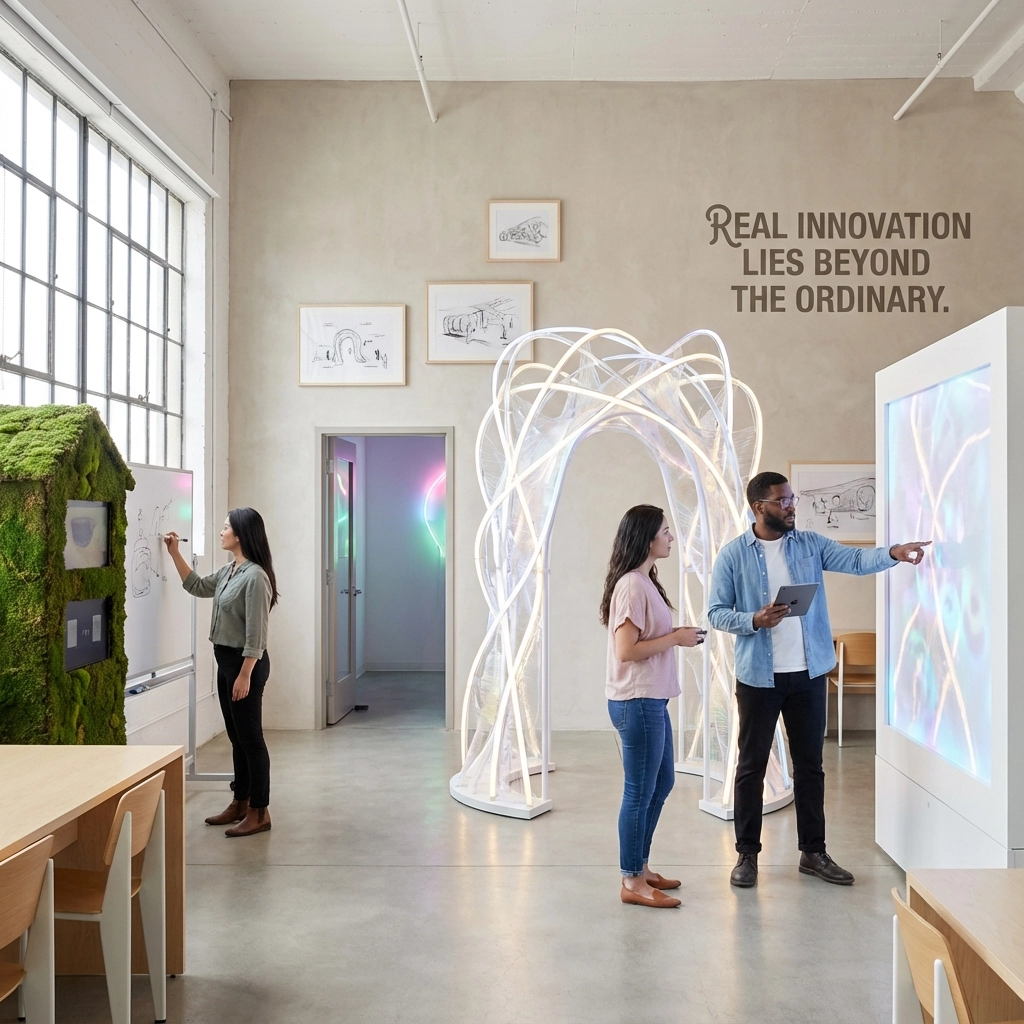
Think you know what innovation looks like?
Think again.
Most CEOs I work with believe innovation means bigger budgets, cutting-edge tech, and breakthrough products. They’re chasing the wrong thing entirely.
95% of corporate innovation initiatives fail. Not because companies lack resources. Because they misunderstand what innovation actually requires.
Enter Meow Wolf. An arts collective that became a $100+ million entertainment company by doing everything conventional business wisdom says you shouldn’t do.
The Constraint Advantage: Why Starting Small Beats Thinking Big
Here’s what blew my mind about Meow Wolf’s origin story.
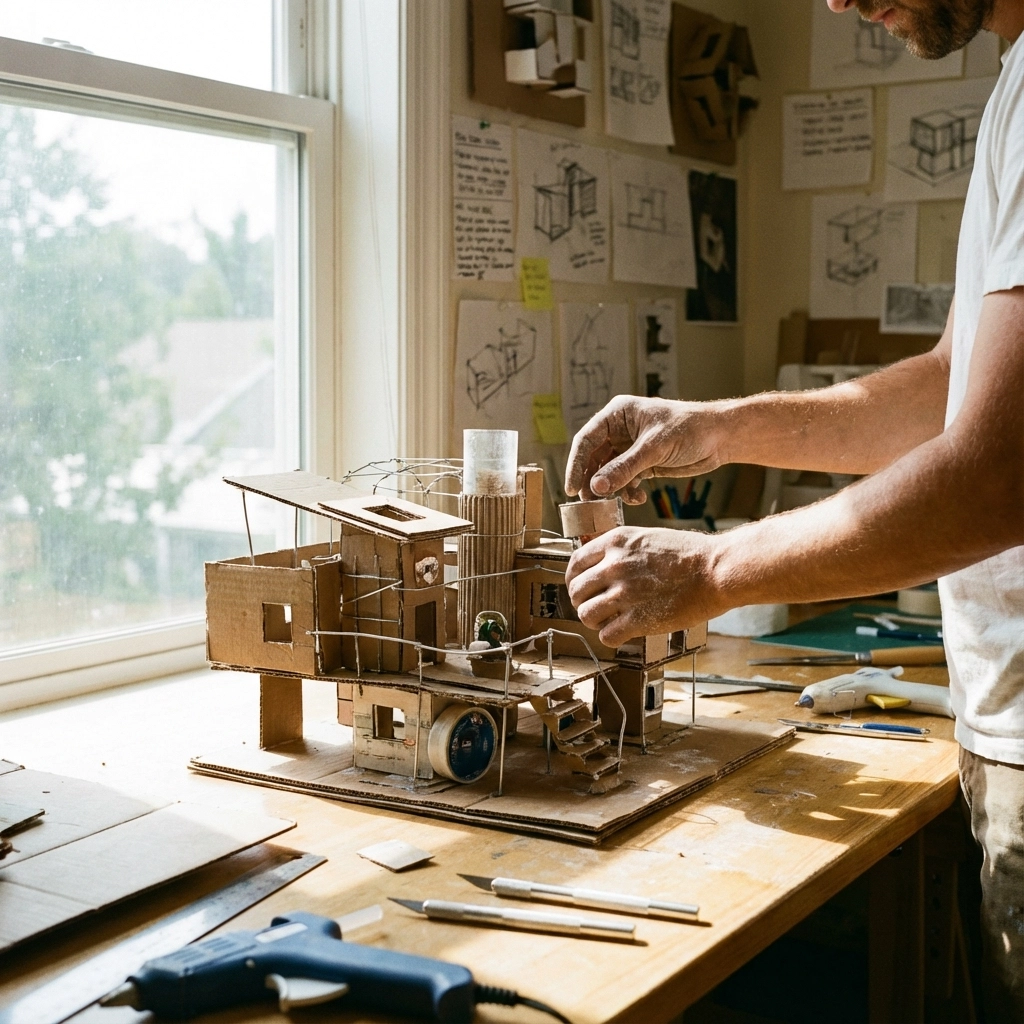
They didn’t begin with venture funding or strategic planning sessions. They started as a DIY collective creating immersive art experiences from literal trash and recycled materials.
Most companies approach innovation backwards → They secure funding first, then hunt for problems to solve.
Meow Wolf flipped this → They identified what they wanted to create, then figured out how to build it with what they had.
This constraint-driven approach forced genuine problem-solving instead of solution-hunting. When you can’t throw money at challenges, you have to think differently. You experiment with what’s possible, not what’s profitable.
The lesson here isn’t about being scrappy. It’s about understanding that constraints create clarity.
!
Technology Serves Vision, Not Vice Versa
Here’s where most companies get innovation completely wrong.
They adopt industry-standard technology, then shape their ideas to fit those constraints. It’s like buying a suit first, then trying to grow into it.
Meow Wolf does the opposite. They start with their artistic vision, then find or create tools that expand possibility rather than narrow it.
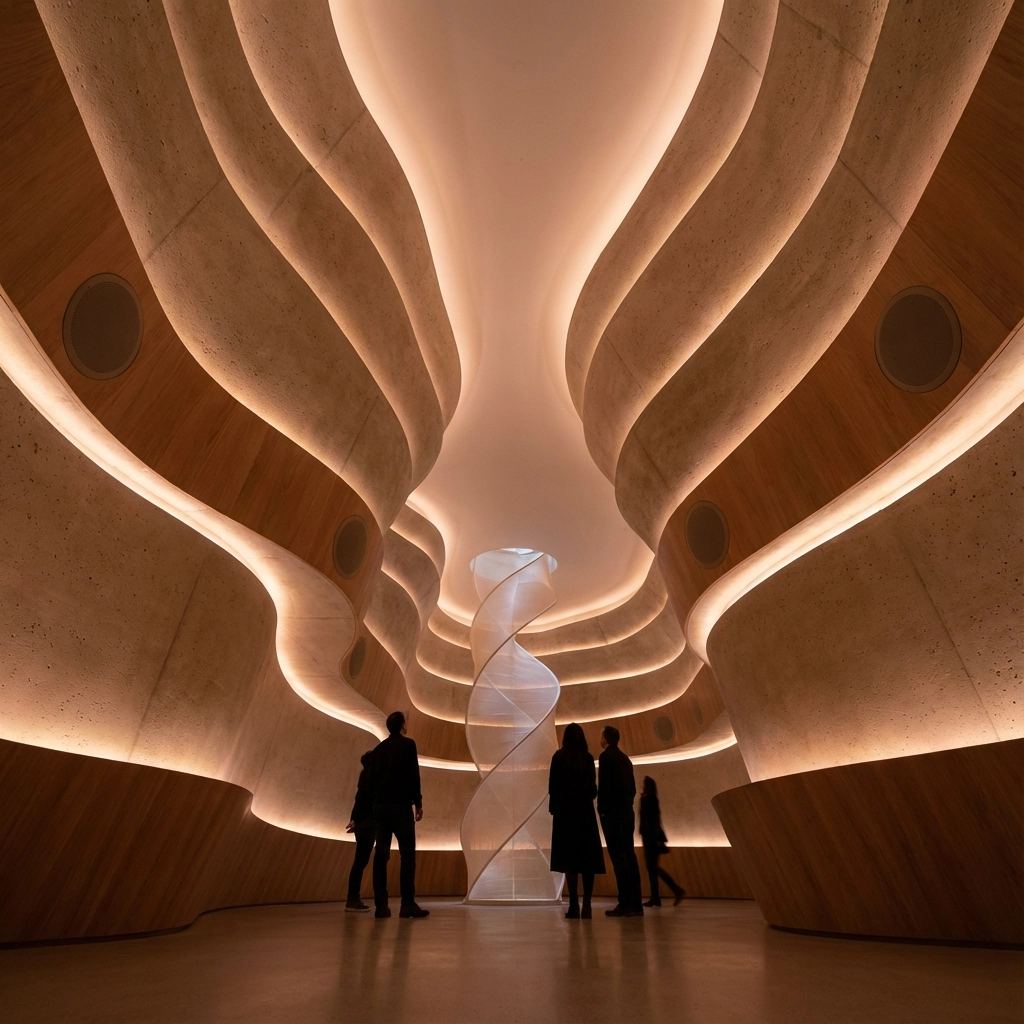
Take their audio systems. Instead of settling for conventional setups, they specifically chose Q-SYS technology because, as one team member put it, “it doesn’t make us limit our creativity.” Their Denver installation alone uses 900-1,000 speakers creating completely spatialized audio across four floors.
The difference?
→ Most companies: “What can we do with this technology?”
→ Meow Wolf: “What technology do we need to realize this vision?”
This isn’t just about audio equipment. It’s about refusing to let tools dictate outcomes.
The Architecture of Infinite Possibility
When Meow Wolf expanded from Santa Fe to Las Vegas and Denver, they didn’t just scale. They built systems capable of growing with unknown future ambitions.
This is where most companies break down. They optimize for current needs, creating infrastructure that becomes obsolete the moment they want to evolve.
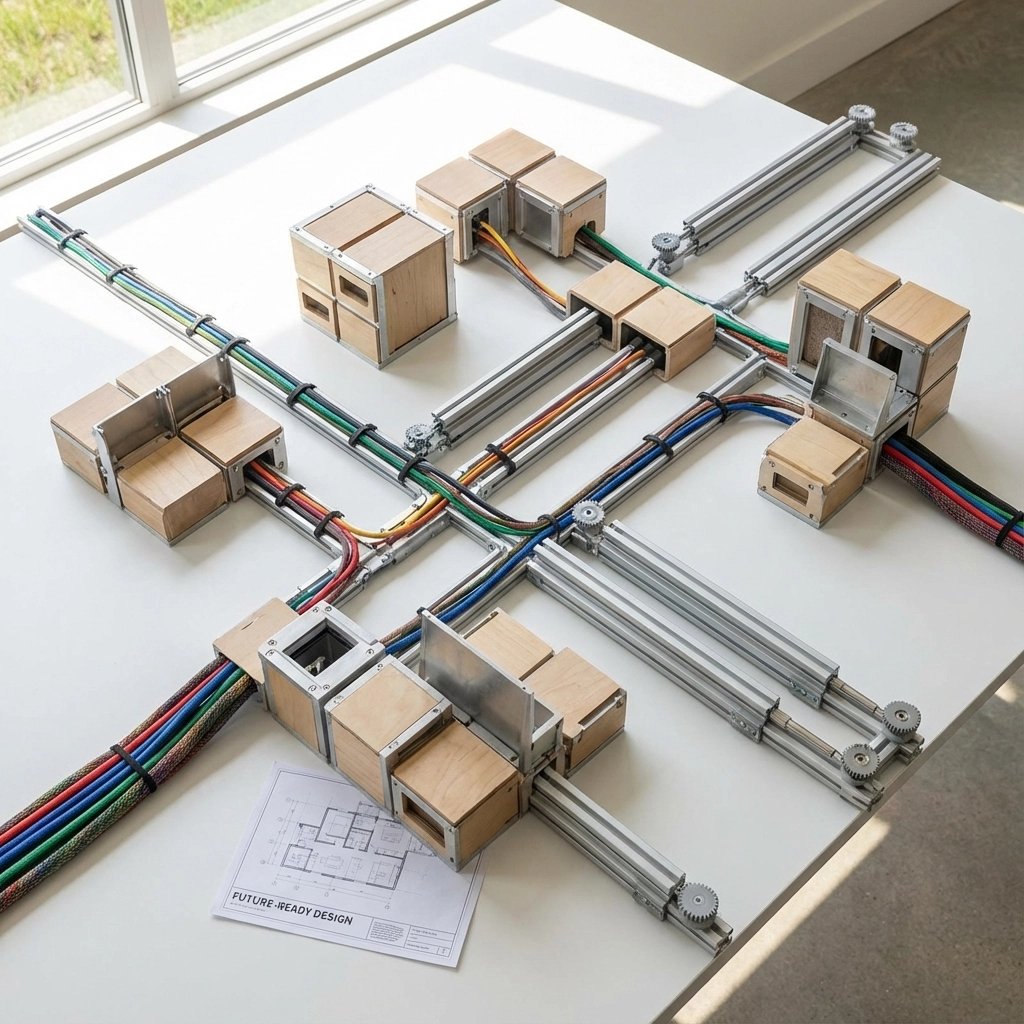
Meow Wolf designed their systems to be “future proof” and “backwards compatible in a way that allows us to augment spaces in new ways.” They weren’t just building installations. They were building platforms for imagination.
The framework they use:
• Start with the impossible vision
• Design systems that can handle more than you currently need
• Build in expandability from day one
• Treat every project as a prototype for the next level
This isn’t just smart planning. It’s strategic experimentation at scale.
!
Breaking Down Silos: The Integration Advantage
Here’s what really separates innovative companies from everyone else.
Most organizations have audio teams, design teams, marketing teams, and tech teams all optimizing locally. They create beautiful pieces that don’t fit together.
Meow Wolf treats audio design, lighting systems, storytelling, interactive spaces, and physical architecture as components of a single vision. Their collaboration between Vincent Lighting Systems and artists, or their integration of Q-SYS audio with custom scripting for show control, demonstrates something most companies never achieve: cross-functional thinking at the core level.
The magic happens in the synthesis. As one observer noted, Meow Wolf creates “an almost perfect combination of really cutting-edge technology that can do interesting things with art that’s put together in such a way that to guests it just seems like magic.”
That last phrase is everything → Innovation that truly resonates doesn’t feel like innovation. It feels inevitable.
The B Corp Difference: Purpose as Innovation Driver
Here’s what makes Meow Wolf’s model even more compelling.
They’re a certified B Corporation, meaning they’re legally committed to social and environmental impact alongside profit. This isn’t corporate virtue signaling. It’s strategic advantage.
Why purpose-driven innovation outperforms profit-driven innovation:
→ Clarity of mission cuts through decision paralysis
→ Stakeholder alignment eliminates internal friction
→ Long-term thinking enables sustainable experimentation
→ Community investment creates organic growth engines
When your innovation serves something bigger than quarterly metrics, you make different choices. Better choices.
!
What Most Companies Miss: The Process IS the Product
Here’s the real insight most leaders overlook.
Everyone studies Meow Wolf’s installations. The immersive experiences. The technological integration. The artistic vision.
They miss the actual innovation: the process that makes all of this possible.
Meow Wolf didn’t innovate by creating cool art projects. They innovated by systematizing creativity, collaborative risk-taking, and measurable impact. They built a repeatable method for turning impossible visions into reality.
The components of their innovation system:
• Constraint-driven experimentation
• Vision-first technology adoption
• Scalable infrastructure design
• Integrated discipline collaboration
• Purpose-aligned decision making
This is what People Risk Consulting helps leaders understand. True innovation isn’t about wild ideas. It’s about creating the conditions where breakthrough thinking becomes inevitable.
The Leadership Lesson: From Experiment to System
Most CEOs think they need bigger breakthroughs.
What they actually need are better systems for everyday innovation.
Meow Wolf proves that the most powerful innovations emerge when leaders are willing to let vision drive technical choices rather than letting technical limitations constrain vision.
The framework for leaders:
- Start with constraint, not capital → Force creative problem-solving from day one
- Let vision choose technology → Don’t let tools dictate possibilities
- Build for unknown futures → Create infrastructure that expands with ambition
- Integrate disciplines → Break down silos at the system level
- Anchor in purpose → Use mission to guide innovation decisions
This isn’t about becoming an art collective. It’s about understanding that the process of innovation matters more than any single innovation.
!
The Real Question
Are you optimizing for efficiency, scalability, and measurable outcomes, then wondering why your innovations feel generic?
Or are you willing to let artistic vision: your company’s unique purpose and possibility: drive every technical choice, every scalability decision, every integration?
Meow Wolf demonstrates that the most powerful innovations feel like magic because they serve something bigger than themselves. They don’t optimize for metrics. They optimize for meaning.
The opportunity: Most companies are solving the wrong problem. They’re trying to innovate products when they should be innovating process, culture, and community.
At People Risk Consulting, we help leaders set up the conditions for everyday, scalable innovation: not just one-off breakthroughs. Because the real competitive advantage isn’t having better ideas. It’s having better systems for turning impossible visions into inevitable realities.
The question isn’t whether you can innovate like Meow Wolf.
The question is whether you’re ready to experiment differently.
Ready to systematize innovation in your organization? Our executive masterclass teaches leaders how to create the conditions where breakthrough thinking becomes inevitable.
